
Safety tips - a safe home for baby and child
Research shows that a number of predictable dangerous situations keep recurring, leaving little ones seriously hurt and ending up at the emergency department. These accidents are largely preventable when you're aware of the dangers and take a few safety measures to make your home kidsproof.
Most common accidents
Falls
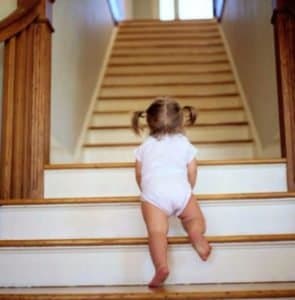
- A fall down the stairs is the most common cause of a hospital admission. Fit a safety gate at both the top and the bottom of the stairs. Secure the top gate to the wall with screws rather than pressure fittings.
- Use non-slip coverings on the stair treads and don't leave things lying on the stairs.
- Don't underestimate your child's drive to explore. Practise the stairs together and, as soon as they can reach the handrail, teach them to hold on to it.
- A safety gate is meant to stop a child up to about age 2. Be aware that an older sibling can open it.
Each year 3,700 children aged 0-5 are treated at the emergency department after a fall on the stairs.
Poisoning
After falls, poisoning is the most common reason a child is admitted to the emergency department.
- Store medicines and cleaning products safely: locked away and high up.
- Watch out for medicines in visitors' handbags.
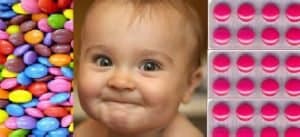
- Dishwasher tablets, liquid tabs and ibuprofen look a lot like sweets. If you suspect your child has swallowed something, calmly ask whether they enjoyed the ‘sweets’. That helps you gauge what they've taken and report it straight to the emergency number.
- It's not only medicines, insecticides, bleach and turpentine that are toxic. Shampoo, toilet blocks, cigarettes, vitamin pills, all-purpose cleaner, lamp oil, certain plants and spirits can be toxic too.
In almost a quarter of medication poisonings, the cause was a medicine belonging to a visitor (grandma or grandpa).
Drowning
Drowning is the number 2 cause of death.
- Always stay with your child while they're in the bath.
- Make sure everything you need for bath time is within reach.
- Always lock the bathroom door so your little one can't get into the bathroom alone.
- Never leave an older child in charge of a younger one.
A child can drown in just 2 cm of water. They don't yet have the strength and coordination to lift their head.

Choking and suffocation
Every parent's nightmare. Pay attention to the following points:
- The most notorious choking hazards are cherry tomatoes, grapes, cocktail sausages and marshmallows. They can completely block the airway, so always cut them into quarters for children up to about age 5.
- Teach your child to chew well and never leave them alone while eating - if they choke, you won't hear it.
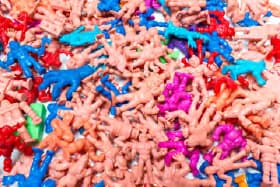
Any small object that fits through an empty toilet roll can cause a child to choke.
Burns
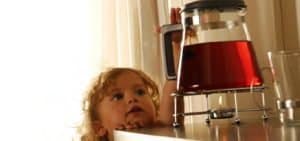
In three quarters of cases, hot liquids are the cause of burns in young children.
- Place the kettle high up on the worktop and keep the cord short.
- Don't drink coffee or tea with your little one on your lap.
- Preferably don't use tablecloths.
Toys and cords
Children can get entangled in loops and cords of (roller) blinds. You also need to check toys for child safety.
- Check whether children can reach the cords and loops of window coverings. Hang the cords up high or use a hook to fasten them.
- Check whether toys have parts that can come loose, such as buttons on cuddly toys. With second-hand toys, check that they meet the requirements and haven't been withdrawn because of earlier accidents.
Sockets, plants and batteries
Look at your own home through your child's eyes. Crawl through the house, for example, so you can spot all the dangers.
- Secure sockets with covers and hide electrical cables.
- Check whether the houseplants you keep are toxic to your child.
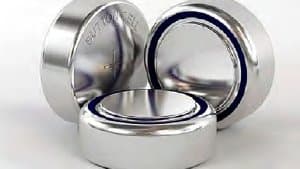
- Batteries can cause an electrical current in the intestines, which can lead to internal burns. Small button batteries in particular are dangerous (in greeting cards or toys).
Did you know a toddler can bite through electrical cables? Teach children that cables are not toys.
Discovering through trial and error
Children are little explorers, but also very vulnerable: they have no sense of danger, and the consequences of poisoning or burns have a far greater impact on those small bodies than on adults.
- Make sure you know what you can do as a parent should something happen.
- Take our first-aid workshop for babies and children and the CPR & AED training for baby & child, so you learn what you can do to help your little one.